

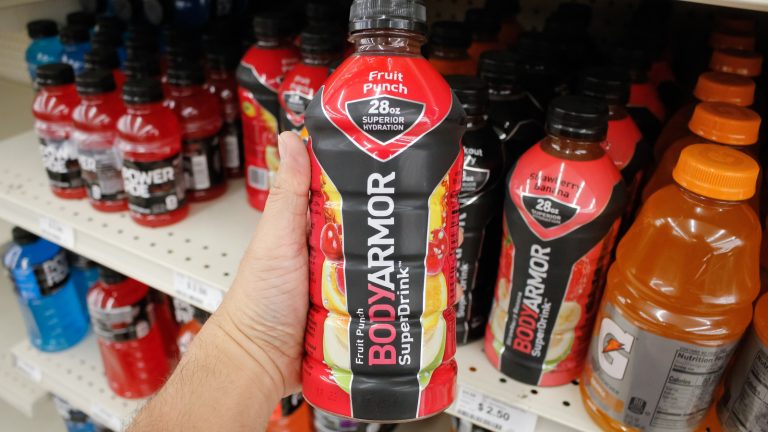
In recent years, BodyArmor has emerged as a prominent contender in the sports drink market, where it vies for the attention of athletes and fitness enthusiasts against traditional giants like Gatorade.
Unlike typical sports drinks, BodyArmor touts a unique formula that includes coconut water, antioxidants, and electrolytes, claiming to offer superior hydration and nutritional benefits.
The allure of such beverages often hinges on the promise of replenishing vital nutrients lost during intense physical exertion.
While the drink does contain beneficial elements such as electrolytes which are crucial for hydration, it also includes added sugars and artificial ingredients that can detract from its nutritional value.
What Is Body Armor Drink?
Body Armor is a brand of sports drink known for its hydrating capabilities and inclusion of electrolytes and vitamins. It is marketed as a healthier alternative to traditional sports drinks.
Composition and Ingredients
Body Armor’s formulation includes a blend of components aimed at enhancing hydration and replenishing vital nutrients. The drink typically contains:
- Water: As the primary ingredient, it provides hydration.
- Coconut water: Serves as a natural source of potassium and other electrolytes.
- Vitamins: Such as B vitamins and antioxidants like vitamins A, C, and E.
- Electrolytes: Including potassium and sodium, are essential for maintaining proper fluid balance.
- Natural flavors: Used to enhance taste without artificial additives.
Nutritional Profile
The nutritional content of Body Armor focuses on delivering a balance of ingredients that support athletic performance and recovery. Notable nutritional information per 12-ounce serving usually includes:
- Calories: Moderate calorie count to provide energy for active individuals.
- Sodium: Approximately 30mg, a lower quantity compared to some other sports drinks.
- Potassium: Around 530mg, significantly higher than many competitors, which aids in preventing cramps and supporting muscle function.
- Sugar: A quantity balanced to offer energy without excessive intake.
Health Benefits
Body Armor drinks are formulated to support hydration and provide a boost in vitamins and antioxidants for those leading active lifestyles.
Hydration and Electrolytes
Body Armor beverages contain a blend of electrolytes, such as potassium, sodium, and magnesium, which are crucial for replenishing the body’s hydration levels during physical activity. They aim to maintain fluid balance, prevent dehydration, and support muscle function.
- Potassium: Essential for muscle contraction and nerve function.
- Sodium: Helps to maintain fluid balance.
- Magnesium: Plays a role in over 300 enzymatic reactions, including muscle and nerve function.
Vitamin and Antioxidant Content
These drinks also provide a spectrum of vitamins, including Vitamin A, Vitamin C, Vitamin E, and B Vitamins. Body Armor’s vitamin content contributes to various bodily functions:
- Vitamin A: Supports immune function and vision.
- Vitamin C: Known for its role in immune defense and as an antioxidant.
- Vitamin E: Acts as a potent antioxidant to protect cells from damage.
- B Vitamins: Aid in energy production and red blood cell formation.
The antioxidant content helps combat oxidative stress encountered during exercise, potentially reducing damage to cells and supporting overall health.
Potential Downsides
When assessing the potential downsides of Body Armor drink, it is important to consider the impact of its sugar content and artificial additives on health.
Sugar Content and Calories
Body Armor drinks can be high in sugar and calories, which may not align with the dietary goals of individuals seeking low-calorie or low-sugar options. A single bottle may contain sugar amounts ranging from 18 to 36 grams, and calories from 70 to 140, potentially leading to unwanted weight gain if consumed excessively.
Artificial Additives
Despite the brand’s claim of having no artificial sweeteners, flavors, or dyes, consumers should remain vigilant and review the ingredient list. Some versions may contain additives like natural flavors or enhancers, which are not synthetic but may still cause concerns for those seeking entirely additive-free options.
Comparative Analysis
This section provides a focused comparison between BodyArmor and other hydration options, evaluating their nutritional content and suitability for hydration needs.
Body Armor vs. Traditional Sports Drinks
BodyArmor positions itself as a healthier alternative to traditional sports drinks like Gatorade by offering no artificial sweeteners, flavors, or dyes. Unlike some sports drinks, BodyArmor includes antioxidants and potassium-packed electrolytes, which may benefit overall hydration and nutrient replenishment. However, it’s important to note that some traditional sports drinks have been optimized for quick absorption during intense physical activity.
| Feature | Body Armor | Traditional Sports Drinks |
|---|---|---|
| Artificial Additives | None | Often present |
| Electrolyte Source | Potassium-packed electrolytes | Generally sodium-based |
| Sugar Content | Varies by product, can be high | Often high |
| Nutrient Enrichment | Antioxidants included | May lack additional nutrients |
Body Armor vs. Water
Water is the most fundamental hydrating agent and is often sufficient for normal daily activities. It effectively hydrates without additional calories or sugars. BodyArmor, on the other hand, may provide extra nutrients like vitamins and antioxidants that can be advantageous during high-intensity workouts or sports, where water alone might not meet all hydration and nutrition needs.
| Feature | Body Armor | Water |
|---|---|---|
| Caloric Content | Contains calories | No calories |
| Sugar Content | Can be high | No sugar |
| Added Nutrients | Vitamins, antioxidants, electrolytes | None |
| Ideal Usage | During intense workouts/sports | Suitable for all situations |
Usage Scenarios
In discerning whether Body Armor drinks are beneficial, one must consider the context of use; specifically, its role in sports and daily intake patterns.
Sports and Athletics
In sports and athletics, Body Armor serves as a replenishing beverage, providing essential electrolytes like sodium, potassium, and chloride that athletes lose through sweat during intensive workouts or competitions. It can be practical for rehydration and restoring the balance of electrolytes.
Daily Consumption
For everyday use, individuals should be cautious with the consumption of Body Armor due to its sugar content. While it contains a blend of vitamins and minerals, and lacks artificial sweeteners or flavors, moderation is key to avoid excessive sugar intake, which is not advisable for a sedentary lifestyle.
Consumer Reviews and Testimonials
Consumers generally regard BODYARMOR sports drink with positivity, especially due to its nutritional content. It’s often noted for having essential nutrients like zinc, magnesium, and potassium. Comments on taste and flavor variety are common, with many finding the flavors palatable and enjoyable.
According to testimonials, the absence of artificial sweeteners, flavors, or dyes is a significant plus. Customers appreciate the product’s commitment to natural ingredients.
The feedback on online retail platforms such as Amazon exhibits a mixed response regarding value for money. Some consumers feel the product is overpriced, but others are prepared to pay for what they consider a more health-centric sports drink.
Customers often use BODYARMOR drinks for hydration during physical activities, citing its effectiveness. However, some comments reflect concerns over caloric and sugar content when compared to other beverages in the market.
Below is a tabulated summary of consumer sentiments:
| Aspect | Consumer Sentiment |
|---|---|
| Nutritional Value | Positive |
| Taste & Flavor | Mostly positive |
| Ingredient Quality | Highly rated |
| Price Point | Varied opinions |
| Hydration Efficiency | Generally viewed as effective |
| Caloric Content | Concerns expressed by some |
It is evident that individual preferences and priorities shape the diverse opinions on BODYARMOR sports drinks.
Regulatory Perspective and Certifications
The BodyArmor sports drink, as a food product, is subject to the regulatory oversight of the Food and Drug Administration (FDA) in the United States. The FDA’s role is to ensure the safety, proper labeling, and claims of food products.
Regarding certifications, sports drinks can seek various seals of approval, depending on their ingredients and marketing strategies. For instance, organic certification would apply if a sports drink meets the USDA organic standards. As of the most recent information available, traditional BodyArmor drinks do not claim to be organic. That said, if a consumer is looking for organic options, they would need to look at products specifically labeled as such, and it should be noted that not all products in the BodyArmor line may qualify for these certifications.
In addition, products like BodyArmor highlight that they contain “potassium-packed electrolytes” but do not use artificial sweeteners, flavors, or dyes. While these claims may pertain to a health-focused marketing strategy, they are not in themselves certifications. The absence of artificial ingredients can appeal to consumers seeking more natural options in their sports drinks.
Manufacturers may also stress the inclusion of beneficial ingredients, like antioxidants or vitamins. However, unless verified by a third-party organization, these aspects fall under the general nutritional information and labeling overseen by the FDA and do not imply a specific certification.
Consumers should review product labels and verify any certifications or endorsements independently—particularly since product formulations and certifications can change. It’s essential for one to carefully read the nutritional contents and consider that even beverages claiming to have health benefits can also contain elements like sugar that may go against one’s dietary goals.
Frequently Asked Questions
In this section, readers will find reliable answers to common questions about the consumption of Body Armor sports drinks and their impact on health and hydration.
What are the health benefits associated with Body Armor drinks?
Body Armor drinks provide electrolytes such as sodium and potassium, which are essential for hydration and muscle function. Potassium content is notably high, aiding those who might be deficient in this nutrient.
Can Body Armor drinks improve hydration effectively?
They are formulated to enhance hydration, replenishing fluids and electrolytes lost through sweat during exercise. The inclusion of electrolytes makes them effective for rehydration during physical activity.
What are the potential side effects of consuming Body Armor drinks?
Overconsumption can lead to an excessive intake of sugars and calories. Therefore, it’s important to monitor intake, especially for individuals watching their sugar consumption or those with limited physical activity.
Is it beneficial to drink Body Armor for cardiovascular health?
The drinks contain a balance of electrolytes that may support hydration and cardiovascular function during intense physical activity. However, they are not specifically formulated to improve heart health.
How does Body Armor compare with other sports drinks in terms of health?
Body Armor generally contains more potassium and fewer artificial ingredients than some other sports drinks. However, it also includes a high level of sugar, similar to other products in the category.
How frequently should Body Armor be consumed for optimal health benefits?
It should be consumed in moderation, tailored to the level of physical activity and individual hydration needs. It’s not intended as a regular beverage but as a functional drink to replenish electrolytes lost during intense physical activity.